

For a December visit to Dalat, adjustable layers are often more practical than one heavy coat. The provincial page gives historical 1964–1998 station figures of 16.2°C for the December mean, 21.4°C for the mean maximum and 12.8°C for the mean minimum. These are old climate averages, not forecasts for particular dates in December 2026. The usual dry season is November–April, but winter rain and wind can still occur. Prepare separately for sunlit daytime hours and time outdoors after sunset. [[1]] This guide covers morning walks, golf and evening outings without unnecessary luggage. Recheck daily temperatures and rain forecasts closer to departure and select only the items relevant to your actual plans.
1. Read historical averages differently from a forecast
One average does not mean the same outfit will be comfortable throughout a day. A monthly figure summarises many records rather than describing how a particular hour feels. Mean maximum and minimum temperatures are not absolute upper and lower limits for the month. Historical values should retain their observation period so they are not confused with current forecasts. Use averages for the general direction of packing, then adapt to actual times and places. For a dawn departure or late return, photographs of people dressed for midday are an incomplete guide. Your sensitivity to cold and time indoors and outdoors matter too.
| Measure | Historical December figure | Interpretation |
|---|---|---|
| Mean | 16.2°C | Observation period 1964–1998 |
| Mean maximum | 21.4°C | Not a particular day’s high forecast |
| Mean minimum | 12.8°C | Not an absolute minimum |
2. Connect each forecast check to a decision
When travel is still some time away, set a basic approach rather than changing clothes daily in response to a long-range outlook. About a week ahead, review the broad temperature and rain pattern. Before closing your bag, check the hours you expect to be out. In Dalat, review the latest forecast and actual conditions before the next morning’s activity. These stages serve different decisions: choose clothing types, adjust quantities, then adapt departure time and the sequence of outdoor plans. A long-range outlook does not guarantee flight or golf operations. Forecast checks are more useful when tied to something you can change.

3. Keep morning warmth easy to remove
For a morning walk or early tee time, consider a light base, a middle layer and an optional outer layer against wind. You may feel different once moving, so leave room for removed clothing in a small bag. Something light around the neck can help, but there is no need to buy every winter accessory if you do not normally use it. Briefly step outside before leaving the hotel and adapt the day’s outfit. Sunrise photography includes waiting as well as movement. Standing still before dawn and taking a short walk after breakfast can need different preparation at the same reported temperature.
4. Match daytime clothes to sunshine and movement
You may prefer to remove the layer worn when leaving in the morning. Combining thinner clothes gives more flexibility than one heavy garment. A slow café walk and repeated hills involve different activity levels, so use your itinerary to assign clothing. A bag that stores removed layers easily is useful indoors. Bring familiar sun protection, such as a hat and your usual sunscreen, without assuming one cloudy moment describes the entire day. If selecting lighter clothes for daytime photographs, leave an evening layer ready at the hotel. Comfort, storage and the amount of movement deserve attention alongside how the outfit looks.

5. Count evening waiting time, not just walking
A night market or outdoor performance may include queues, seats and periods of standing still. Clothes that feel adequate during movement can feel thin when you stop. Dinner followed by an early return need not require the same preparation as a late outdoor outing. Add a light warm layer and decide where to store it when removed in a vehicle. If a companion feels cold easily, shorten the outdoor portion and include an indoor break. Staying out late is not a test of a successful trip. Return while the outing remains comfortable, and leave time to rest after taking photographs.
6. Keep rain preparation compact
Rain cover need not dramatically increase luggage. Choose a compact umbrella or packable waterproof layer for your transport style and protect items that should stay dry. If rain arrives, exchange outdoor and indoor periods instead of treating the entire day as lost. Consider whether wet shoes have time to dry before their next use. Golf and paid experiences have operator-specific rain-change rules that should be checked when booking. A forecast does not automatically guarantee refunds or mean every activity will close. If movement is uncomfortable, keep the priorities rather than rushing to complete many locations.

7. Choose familiar shoes and a plan for wet footwear
For several days on foot, familiar shoes are a sensible starting point. A worn-in pair and suitable socks can be more useful than testing new shoes for hours on arrival day. Slow down on wet surfaces and allow more time on slopes. Two pairs are not compulsory for everybody, but an itinerary requiring both golf and walking shoes has a clear purpose for the extra pair. Weigh photograph-only footwear against actual use and luggage weight. Follow hotel rules when drying shoes and consider a workable alternative if they are not dry by morning. A small amount of planning can make departure easier.
8. Pack golf layers for the tee time and course
A golf outer layer needs comfortable shoulder and arm movement as well as warmth. Try it before departure and think about storage if removed during play. Early departures may need added warmth while daytime play benefits from adjustability. Check the dress code, equipment hire, and whether carts and caddies are included in the booking. The Dalat at 1200 describes itself as cart-only because of elevation changes. Check actual course conditions rather than estimating how much walking you will do. If rain is forecast, bring familiar equipment such as an umbrella and gloves, but confirm operations and change procedures with the course. [3]
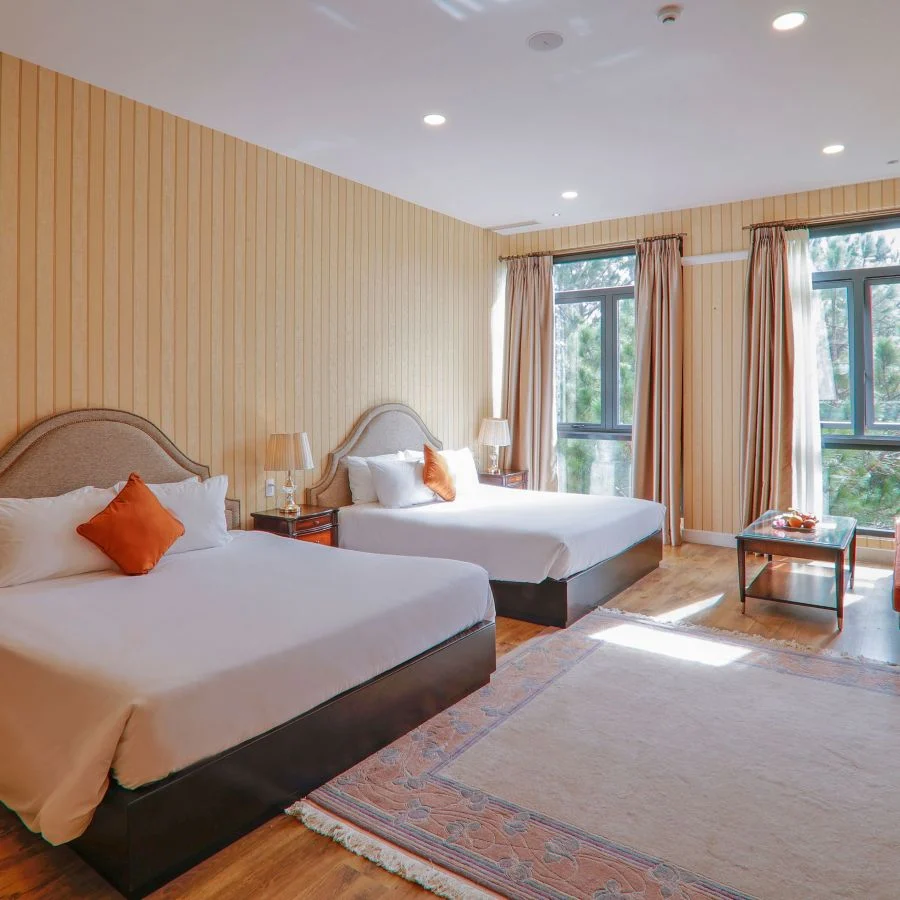
9. Confirm hotel facilities for the actual stay
A photograph of a pool or bathtub does not establish every service you need. List questions about room temperature control, extra bedding, hot water and pool hours according to your priorities. LADALAT Hotel mentions a heated swimming pool in its official introduction, but a photograph cannot confirm operating conditions for your stay date. If arriving late, ask about check-in and food availability as well. A guest wanting immediate rest may care more about using a needed service at the right time than the number of facilities listed. Heating and amenities should be checked individually rather than assumed identical across hotels. [2]
10. Build combinations for a three-night bag
Choose familiar basics that can be combined rather than a different outfit for each date. Start with light tops, a middle warm layer and an outer layer for wind and rain; select underwear and socks around the laundry plan. Add course-compliant clothing for golf. A formal dinner outfit should depend on the venue’s actual requirements. Leave space in the day bag for removed layers and rain protection. If planning to buy something while away, avoid filling the main bag at departure. The aim is not to carry every checklist item, but to give useful pieces distinct roles without unnecessary duplication.
| Situation | Preparation | Check separately |
|---|---|---|
| Morning walk | Adjustable warm layers | Departure-time forecast |
| Daytime sightseeing | Comfortable shoes and layer storage | Movement and route |
| Evening outing | Warm outer layer | Time waiting outdoors |
| Golf | Flexible clothes and golf shoes | Dress code and rain rules |
| Rain | Compact umbrella or waterproof layer | Wet footwear and changing plans |
11. Use a simple rule for changing the day
Keep outdoor activities flexible enough to exchange order. If the morning is cloudy, breakfast and rest can come before a walk rather than an automatic journey to a sunrise spot. For expected rain, distinguish flexible bookings from stricter ones. On a transport-heavy day, protect the gaps instead of continually adding experiences. An indoor alternative can simply be a café, meal or hotel rest that fits the original plan. Improving the day does not always require buying another programme. Agree on one priority with companions in the morning; adjusting the remainder then becomes easier and reduces frustration from different expectations.
12. Keep weather planning and room benefits separate
An indoor meal or rest can anchor the evening, with a separate e-gaming option only for interested eligible adults. Vallée de la Chance at LADALAT Hotel is for foreign-passport holders meeting current rules, including age 18 or above, and is not an indoor sightseeing alternative for an entire family. Room and golf programmes need advance club booking and confirmation. Rooms require 388 qualifying points per night earned in the member’s own account during the stay, from 07:00 on check-in day until checkout; old points are excluded. Before checkout the club checks qualification and pays the approved hotel room charge if met; otherwise the guest pays at checkout. Plan clothing and budget independently: gaming does not guarantee recovered room costs or lower overall spending.
Frequently asked questions
How warm is Dalat in December?
The official page’s 1964–1998 series lists a mean of 16.2°C, mean high of 21.4°C and mean low of 12.8°C. These are historical averages, not your travel-date forecast.
Can I skip rain cover in the dry season?
Dry season does not mean rain is impossible. Choose a compact umbrella or waterproof layer for your transport and check the forecast and conditions near departure.
Is a heavy winter coat compulsory?
No single coat suits every traveller. Consider time outside before dawn and after dark and your sensitivity to cold, then choose adjustable warmth using the current forecast.
What should golfers add?
Bring layers that allow a swing, suitable shoes and course-compliant clothing, plus familiar rain equipment. Confirm hire, carts, caddies and rain-change terms separately.
Do hotels always have heating and heated pools?
Facilities and operations differ. Confirm availability on your stay date and ask about personal needs such as extra bedding and late check-in.